
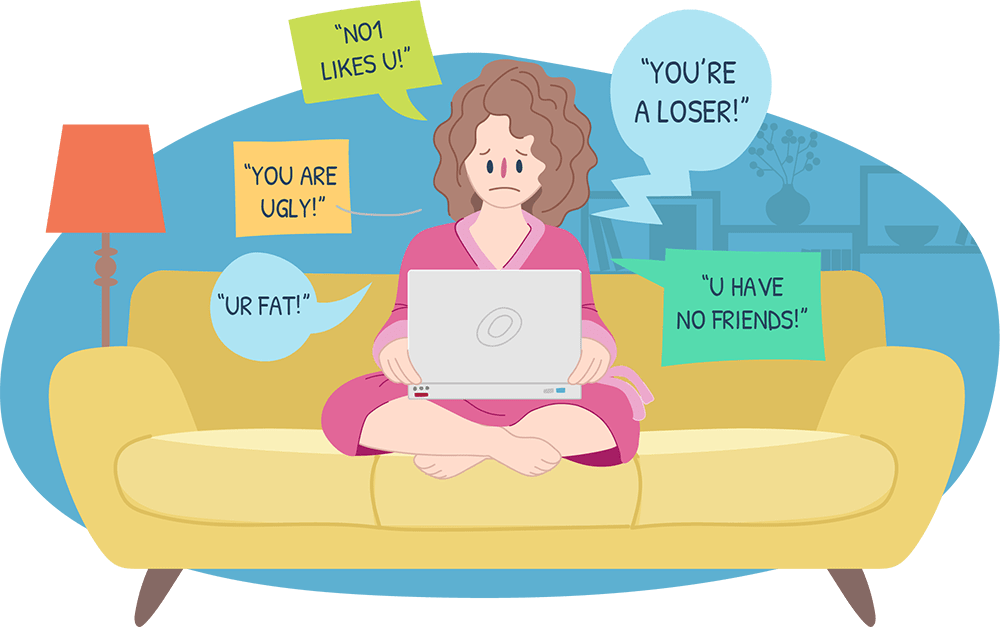
About 20% of students ages 12-18 experience bullying nationwide (Stopbullying). However, 65% of young adults admit they have experienced cyberbullying, which means to harass people online (UNICEF). People can get taunted and teased through text messaging or on social media, which is much worse because people notice posts easier and can “like” them. In addition, people can share them again, making insults go viral. Cyberbullying started recently in online chat rooms in the late 1990s.
Tag Archives: parents
Ian: Marriage, the Historical Constant

“Almost 50 percent of all marriages in the United States will end in divorce or separation,” according to over 115 studies in 2022. With declining odds like these, why are people even bothering to get married in this modern era, and what are the benefits of marriage emotionally and psychologically?
Justin: The Modern Nightmare

One of the hardest questions to answer in this generation is, “What would you do if you had a whole day without any technology?” If you love playing video games and watching TV, would you consider it a break, or can you not live without it? Even as a child myself, I know how hard it is to take a break from technology; it feels like a living nightmare. When a device is taken away, kids might feel like they are being banished to the seventh layer of the underworld, punished and tortured by Satan himself because they do not realize that the act of taking a device away is actually helping them… in a sense.
Grant: Finding Balance in The Grand Canyon

On the way to the “Special Hotel”, I looked out of the rental car. I could see carved valleys and canyons had been smoothed out by water over the years, and with the setting sun, it was a relaxing shade of bright orange. We passed vista after vista, and I was convinced that the hotel we were heading to would be built inside a canyon or carved into the side of a mountain.
Daniel: Gene Editing: Diseases, Ethics, and the Future

More often than not, many aspects of science fiction seem much farther away than they really are, and one important technology we might consider sci-fi is the ability to edit someone’s genes to enhance them or to remove genetic diseases from the gene pool. However, this isn’t as far-fetched as other sci-fi conventions like intergalactic empires and laser guns. Gene editing actually has come a long way. It started long ago with the beginning of selective breeding, which allowed us to domesticate animals and crops with the traits we prefer or need.
Kayla: The Internet Era

Every year, the New York Times puts on an Editorial contest in which middle and high school students from all over the nation can put their persuasive and journalism skills to the test. In an editorial, authors are given the chance to criticize, explain, and offer solutions to ethical, political, and social problems. The promptContinue reading “Kayla: The Internet Era”
 Quest California Tutoring